Focal length what is it? Understanding camera terminology can be intimidating. When learning about photography for the first time as a fresh 16-year-old, the whole terminology behind the camera, and sitting in a lecture about how the camera works, did nothing for me. I wanted to be out there with my DSLR taking a photo and learning on the go. Instead the course talked about the history of photgraphy. Not everyone wants to learn on the type of glass they used for the first lens. So I have taken it upon myself to keep things a bit simpler when sharing the art of photography. Onto something that baffled me for a while, focal length – what is it?
What is it?
Focal length is the basic description of a lens. It is not a measurement of the actual length of a lens, instead, it represents a calculation (in mm) of an optical distance from the point where light rays converge to form a sharp image of an object to the sensor at the focal plane in the camera. The focal length calculation is determined when the lens is focused at “infinity.” That’s the scientific explanation of what focal length is. But what does that mean?
Lens focal length tells us how much of the scene can be shot (angle of view), and how large individual elements will be (magnification):
The human eye has an equivalent focal length of 45mm.
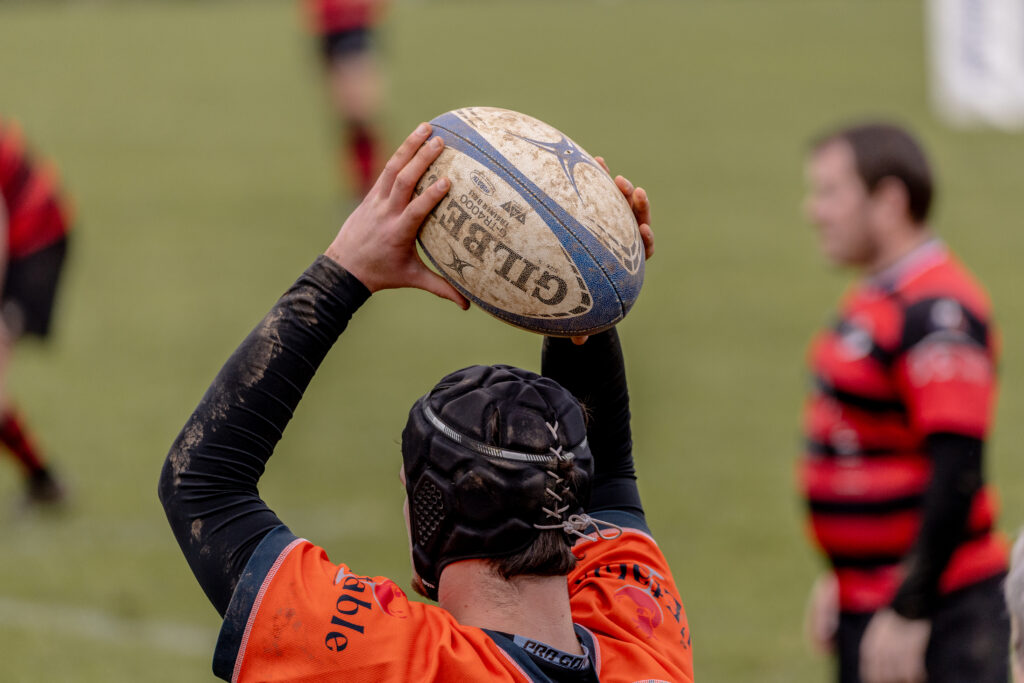
The longer the length, the narrower the angle of view and the higher the magnification.
This photo has a focal length of 400mm.
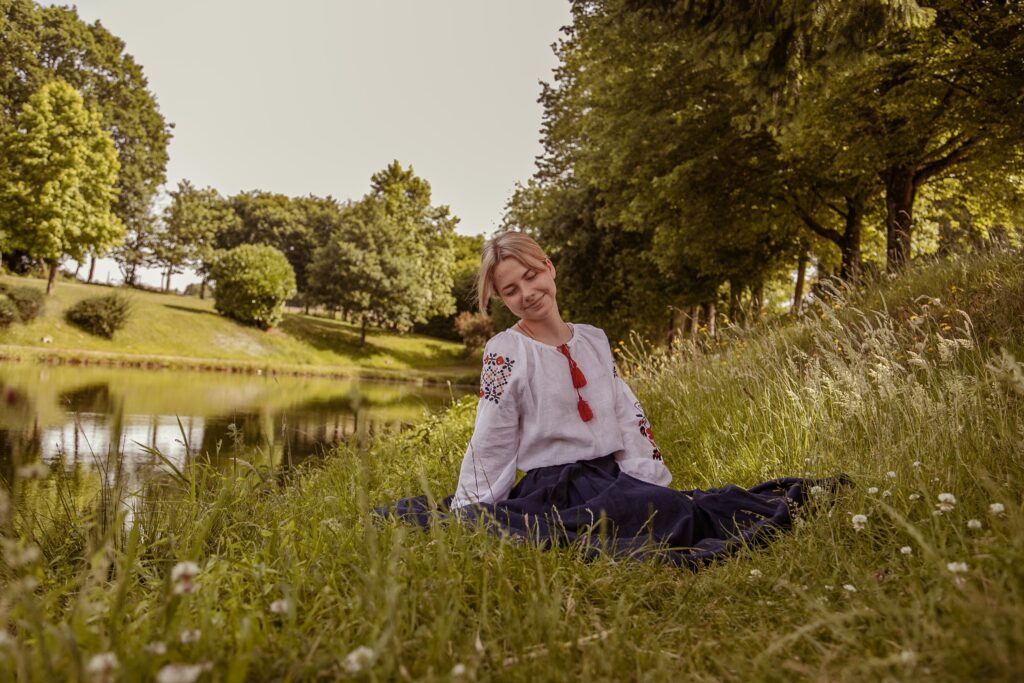
The shorter the length, the wider the angle of view and the lower the magnification.
This photo was taken with a 50mm lens.
Using Focal Length
It’s all well knowing what it is, but how do you use it in practical application?
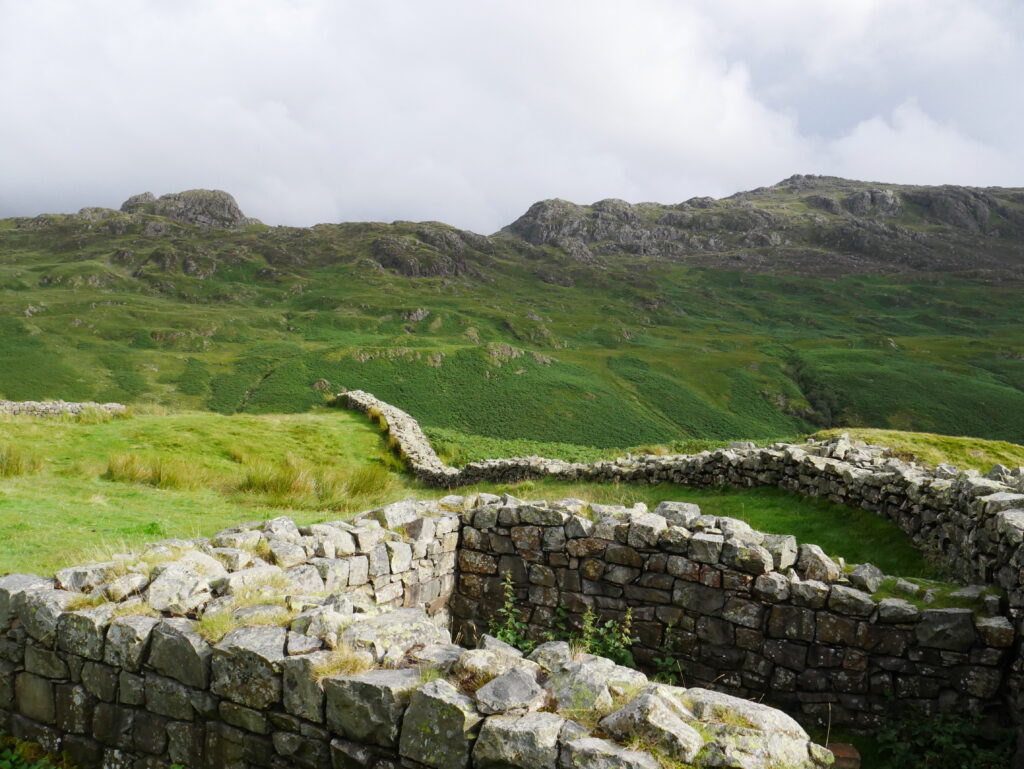
Wide Angle Lenses
Usually any lens under 50mm. These are practical for landscape photography, as well as interiors.
The image on the left is of Hardknott Fort in the UK, taken with an 11-24mm lens.
Prime 50mm Lenses
A prime lens refers to a non-zoom/telephoto lens. It has a fixed length. 50mm is the closest to our eyesight so is often used in portraiture.
This photo uses a 50mm f/1.8 lens.

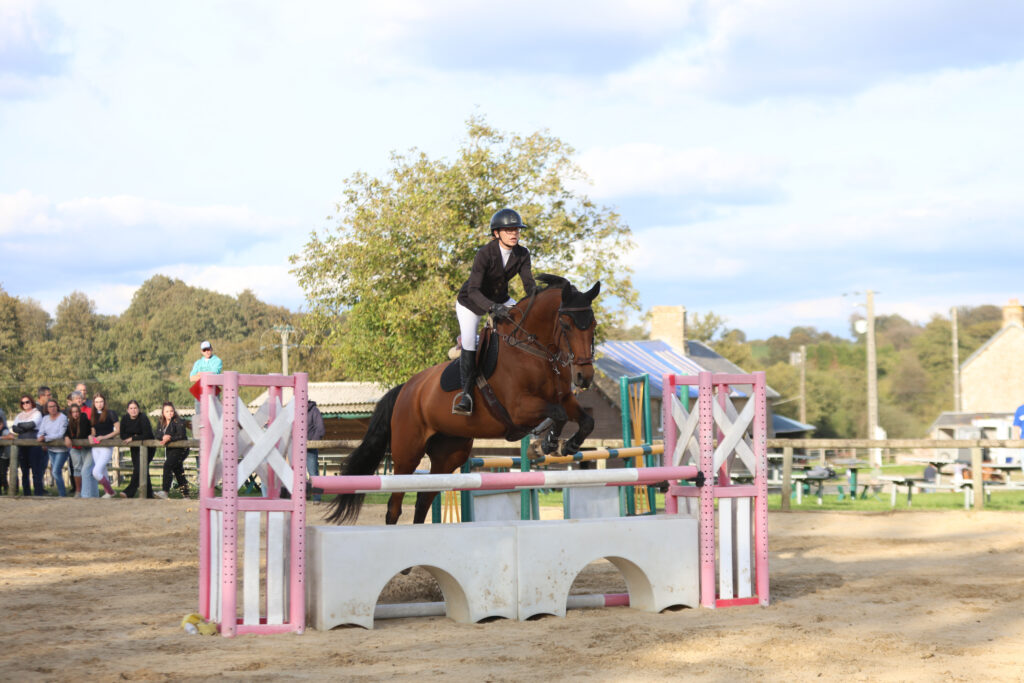
Telephoto 70-200mm Lenses
Telephoto or zoom lenses refer to lenses that can move between two focal points. A popular one is 70-200mm or 70-300mm.
The image of the bay mare jumping is around 100mm. Perfect for pitch sports, or events taking place at a reasonable distance.
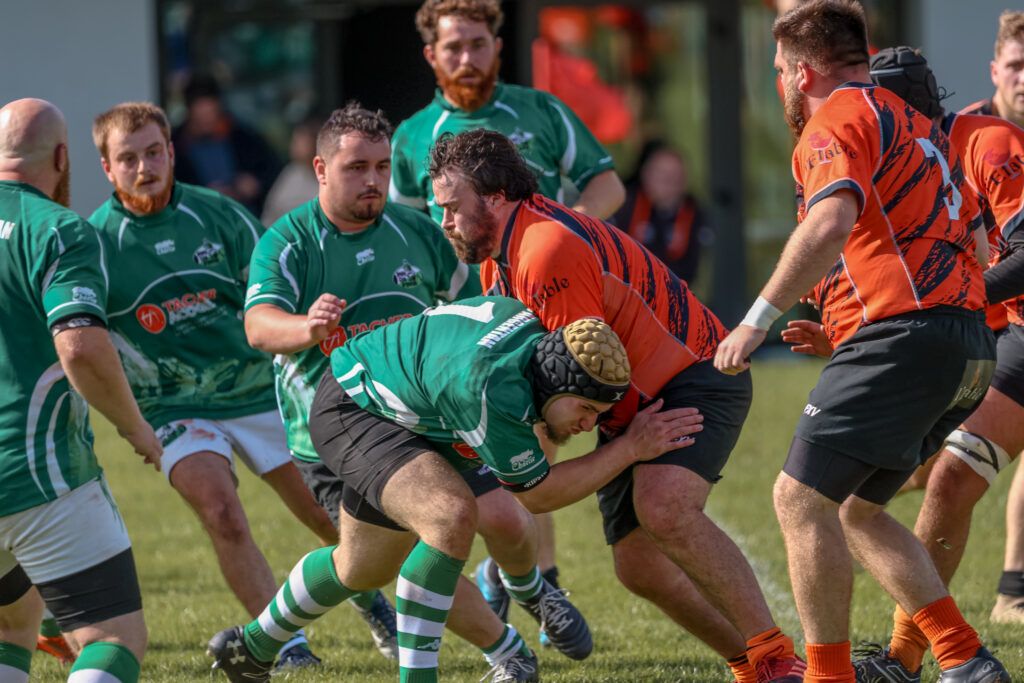
Super Telephoto 150-600mm
A lens length over the 300mm mark is the industry standard for nature photography or sports. Personally, I used the Sigma 150-600mm for bird photography, as well as sports photography.
Where is the Focal Length?
The length of your lens is marked on the front of the glass, as well as on the side of telephoto lenses. The information is stored within the metadata of your photos and available to see in editing programs, and the raw file itself.
What is it?(in Numbers)
If you want to get into the details of angles, here is a conversion of focal length to the angle of view:
| Focal Length | Angle of View |
|---|---|
| 12mm | 122° |
| 16mm | 107° |
| 24mm | 84° |
| 35mm | 63° |
| 50mm | 47° |
| 70mm | 34° |
| 90mm | 27° |
| 100mm | 24° |
| 200mm | 12° |
| 400mm | 6° |
It is important to remember that the angle of view can cause distortion of an image. This is why using the lens correction function is so important in editing, especially with images of people!

 Français
  English (UK)